Advocate Spotlight: Karen Day
She planned for retirement; she never expected healthcare to cost this much
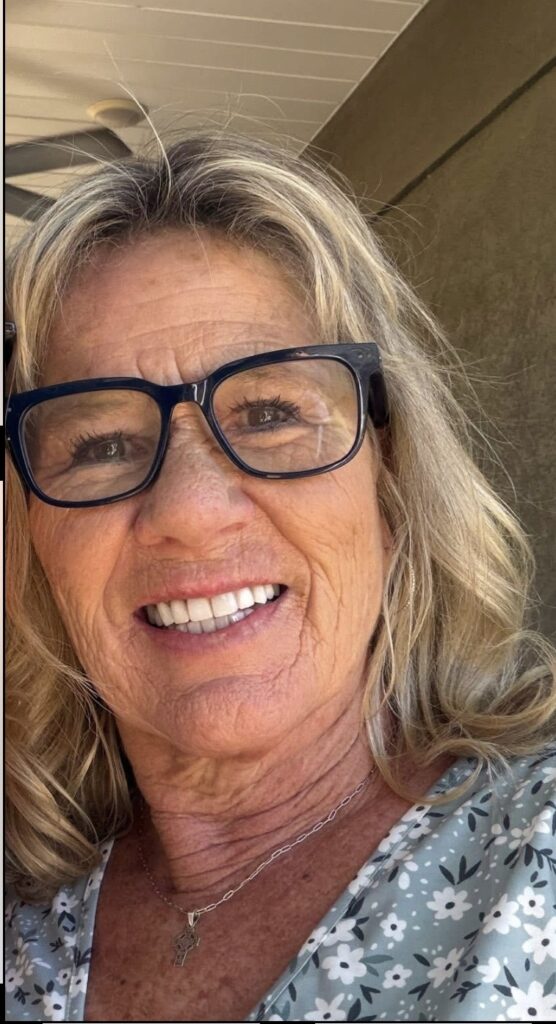
Karen Day, 64, spent decades planning for retirement. She worked hard, invested in property, saved money and made financial decisions with the future in mind.
But there was one expense she couldn’t have anticipated: the rising cost of healthcare.
Today, Karen and her 70-year-old husband are retired and living in Salt Lake City, Utah. Her husband is on Medicare, with healthcare coverage costing approximately $400 a month. Karen’s insurance costs $1,750 a month, nearly six times the $300 a month a financial advisor told them to budget for when her husband retired.
“Never in my wildest dreams did I think it would be $1,750,” she said.
Together, the couple pays $2,150 a month in health insurance premiums alone, with Karen facing an additional $10,000 in potential annual out-of-pocket expenses.
Their combined Social Security income is less than $5,000 a month, meaning insurance premiums alone consume more than 40% of that income. The financial reality is a far cry from what they planned for. And they’re far from alone.
What’s behind rising health insurance premiums? It’s the cost of healthcare.
Hospital prices have climbed three times faster than the rate of inflation since 2000, according to national data from The Hospital Cost Crisis Report.
Between 2011 and 2024, health insurance premiums climbed nearly 80%. Research published in JAMA Health Forum this September found that rising healthcare spending accounted for 91% of premium growth during that period.
In other words, much of what Americans are paying more for insurance reflects the growing cost of medical care itself.
Karen knows firsthand how quickly medical bills can accumulate.
At 40, while raising two young children, she was diagnosed with stage 4 non-Hodgkin’s lymphoma. One of the drugs used in her chemotherapy treatment cost $7,500 per session. She needed six treatments, bringing the cost of that single drug to $45,000, before accounting for other medications, doctor visits and medical scans.
The financial burden was so overwhelming that she called her oncologist’s office and asked to remove the drug because her family couldn’t afford it.
“The cost of all the treatments made me feel horrible,” Karen recalled. “I was so terrified that all of this was going to bankrupt us, that’s a lot of guilt to deal with while going through treatment.”
Fortunately, a patient advocate at this cancer center also worked with drug manufacturers and cancer foundations to help patients access financial assistance.
More than two decades later, Karen continues to question why patients face such unpredictable medical costs. In some ways, she’s grateful she went through cancer treatment then, rather than facing today’s healthcare costs.
She points to MRIs and mammograms as examples. Her daughter recently faced a $1,300 bill for an MRI, even after insurance paid its share.
Hospital prices can vary dramatically for the same care, even within the same state. In Utah, one hospital charged $129 for a mammogram, while another charged $609. That’s nearly five times as much for the same screening. MRI prices ranged from $506 to $1,574, a difference of more than $1,000. And for certain cancer treatments, hospitals reported charging anywhere from $10,000 to $20,000 for the same drug administered the same way.
These huge price differences matter because hospital spending is a major contributor to rising health insurance costs for everyone.
Karen also faces substantial prescription drug expenses. She says a genetic mutation affects how her body responds to certain medications, requiring her to use brand-name drugs rather than generic alternatives.
At the beginning of the year, she pays approximately $900 a month for prescriptions until additional coverage takes effect. These expenses come on top of her monthly premiums and other medical costs.
For Karen, rising healthcare costs have changed how she and her husband approach everyday spending.
“My husband told me this is the first time in my entire life I’ve gone to the grocery store and actually looked at the prices of groceries,” she said.
After surviving cancer and spending decades preparing financially for retirement, Karen is increasingly concerned about what affordable healthcare will look like for future generations.
She’s particularly passionate about improving women’s healthcare, including access to care and greater attention to women’s medical needs.
Her experiences have renewed her determination to speak up about the challenges patients face.
As Karen puts it, “What they’re charging nowadays is ridiculous.”
###