‘I’m very vocal’: Oregon woman speaks out against ‘ridiculous’ healthcare costs
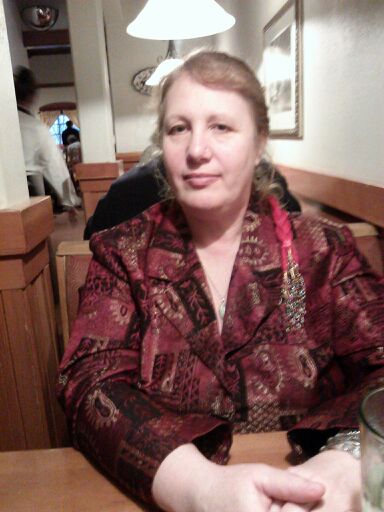
At 70 years old, Phoebe lives in a small town in Oregon. She has spent decades navigating America’s healthcare system. What she has seen, both personally and through the experiences of loved ones, has left her frustrated, outspoken and determined to push for change.
“It’s ridiculous,” she said when asked about the cost of healthcare in America today.
For Phoebe, the fight for a more affordable and patient-centered healthcare system is deeply personal. It is rooted in decades of lived experience, financial strain, and a belief that healthcare should prioritize people over profits.
Her concerns about healthcare affordability are not abstract policy debates. They are daily realities that affect her family, finances, and quality of life.
Her partner’s recent medical experience is one example. After a three-day hospital stay earlier this year, the bill totaled more than $28,000. Since then, he has been required to attend multiple follow-up appointments with his primary care physician and a growing list of specialists.
“That’s $325 a visit every time for eight minutes,” Phoebe said. “So, his bills are just racking up, and it’s outrageous.”
The rising cost of healthcare has forced difficult financial tradeoffs. Like many older Americans living on fixed incomes, Phoebe says medical expenses have steadily consumed resources that once went toward travel and other personal pursuits.
“Everything’s more expensive, and so I can do less for myself,” she said. “I haven’t had a vacation in years.”
Her frustrations extend beyond hospital bills and physician visits. She is deeply skeptical of the role pharmaceutical companies play in the healthcare system and questions whether the nation’s healthcare industry is too often driven by financial incentives rather than patient outcomes.
“It’s a scam. The pharmaceuticals are running the world,” she said.
Those views are shaped in part by her own medical history.
When Phoebe was 19 years old, she was misdiagnosed with juvenile rheumatoid arthritis and told she had little chance of living beyond her early twenties without severe disability. Doctors prescribed a regimen of medications that included dozens of aspirin tablets each day.
The treatment took a heavy toll.
“They had me on 23 aspirins a day, and it was ripping up my stomach,” she recalled.
Years later, Phoebe realized the diagnosis was incorrect. What doctors interpreted as rheumatoid arthritis symptoms were ultimately linked to food sensitivities and dietary triggers. After eliminating certain meats from her diet, the debilitating symptoms disappeared.
Now seven decades old, she remains active and credits lifestyle changes, nutrition, and alternative wellness approaches for helping her maintain her health.
That experience transformed the way she thinks about healthcare.
“I’m furious that we only do [conventional] allopathic medicine, which essentially treats the symptoms and doesn’t look at us holistically,” she said.
Phoebe believes patients should have broader access to wellness-focused care and alternative treatment options alongside mainstream medicine.
Her perspective has also been informed by travel and firsthand exposure to healthcare systems outside the United States. While she acknowledges no system is perfect, she believes Americans can learn from other countries that have found ways to provide care more affordably and with fewer financial burdens on patients.
Phoebe believes healthcare should be considered a fundamental right that’s supported by all. She said many people she’s spoken with would be willing to pay more in taxes, if it meant guaranteed access to healthcare and education without the risk of financial ruin.
“I’ve talked to people who tell me, ‘Oh, we have the best medical care system in the world,'” she said. “And I’ll say, ‘Oh, have you traveled? Have you ever been out of the United States?'”
Rather than keeping those opinions to herself, Phoebe has become an active advocate. She regularly signs petitions related to healthcare reform, writes letters to elected officials, and talks openly with friends, neighbors, and community members about healthcare costs.
“I sign every petition I can,” she said.
She believes civic engagement, even in small forms, matters.
Whether she is contacting lawmakers, sharing her experiences with peers, or encouraging others to pay attention to healthcare issues, Phoebe sees participation as a responsibility.
“I’m very vocal with everyone,” she said.
While she knows meaningful change can be difficult, she remains committed to speaking up whenever she has the opportunity, hoping her voice can help move the conversation forward.
###