
Advocate Spotlight: Joe Hooyboer
An expert in health care finances is still shocked to receive high hospital bill
“It’s just monopoly money.”
Joe Hooyboer spent nearly four decades working in financial analysis within the health care industry before retiring five years ago. During his career, he worked for hospitals, physician medical groups and health insurers.
He also has personal experience as a patient requiring specialist care.
Doctors discovered Hooyboer had a congenital heart condition when he was in his 50s. That led to open heart surgery and years of follow-up care. Hooyboer remembers that the bill for his four-day stay following surgery was about $110,000. Always, the number cruncher, Hooyboer calculated that the charges broke down to about $1,000 for every hour of care.
Even so, he was surprised years later when he received the bill for a cardiac ablation, a common outpatient procedure used to treat irregular heartbeats. Hooyboer underwent the procedure at a non-profit hospital near his home in the Seattle area. He was there from 6 a.m. until about noon. The bill: $150,000. Truly, a shock to the heart.
“Phenomenal,” he said. “Just phenomenal.”
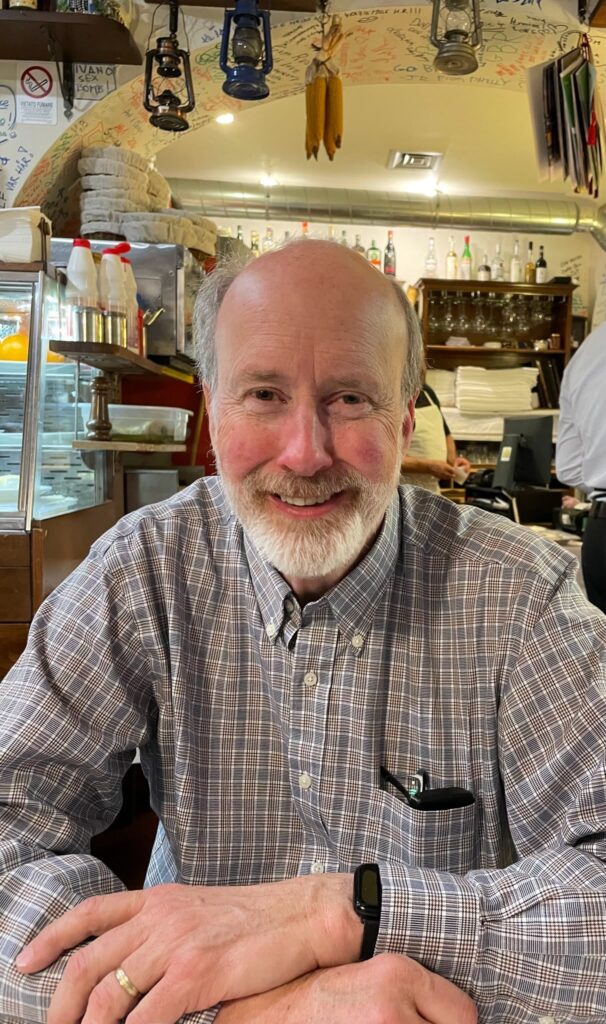

His hospital bill reminded Hooyboer of what he’d come to know in his career as a health care financial analyst: Bill charges are wildly inflated.
“The bill charges are meaningless,” he said. “They are a way to pass on cost to the people who can least afford it.”
They do not reflect the true costs of care, which are typically much lower. And they are built to withstand the “discounts” providers offer.
“It’s just monopoly money, it’s made up,” he said. “It doesn’t reflect the actual expenses that providers have.”
From Hooyboer’s perspective, lawmakers should eliminate the profit motive from the U.S. health care system; he urges elected officials to examine and challenge escalating costs and reimbursement.
“It doesn’t make sense that someone should profit off someone else’s misfortune,” he said. “We end up subsidizing and paying and overpaying for health care because there are so many reimbursement loopholes.”
While much of this feels like it is out of the average consumer’s hands, Hooyboer advises people to talk with their providers about what’s best for them and their health. He learned that keeping track of his heart requires regular procedures and tests, but not necessarily the most expensive ones or those that are built into the providers’ rate-structure.
Join Joe Hooyboer and other advocates who have shared their stories with Voices for Affordable Health. We’d love to hear from you!
###